 Service to Career Pathways:
A Workforce Practice Framework for Corps Network Programs
Authors
- Vanessa Bennett, Director, Jobs for the Future, Center for Apprenticeship & Work-Based Learning
- Maria del Mar Cabiya, Director, Jobs for the Future
- Holly Siino, Senior Manager, Jobs for the Future
Contents
- Acknowledgments
- About Jobs for the Future and The Corps Network
- Introduction
- Promising Practices and Strategies to Embed Workforce Training into Corps Programming
- Recruitment and Retention Supports
- Design and Assessment of Participant Learning
- Career Pathway Mapping and Navigation
- Industry and Education Partnerships and Credentials
- Service Experience (Work-Based Learning and Mentorship)
- Post-Service Placement and Alumni Supports
- Corpsmember Voice and Leadership
- Conclusion
- Appendix
Acknowledgments
This research was funded by the Annie E. Casey Foundation. We thank them for their support but acknowledge that the findings and conclusions presented in this report are those of the author(s) alone, and do not necessarily reflect the opinions of the Foundation.
We would also like to thank The Corps Network for their support and contributions to the service to career pathways movement and express our gratitude to the member organizations of The Corps Network that are featured in this document. We appreciate their willingness to share their work and expertise with us.
- California Conservation Corps
- Civic Works
- Franklin’s Promise Coalition
- Los Angeles Conservation Corps
- PowerCorpsBOS
- PowerCorpsPHL
- San Jose Conservation Corps
- The Work Group
- X-Cel Education
Finally, we want to thank our peer reviewers whose knowledge, expertise, and insights helped to shape this resource and ensure that it holds value not only for member organization of The Corps Network but for the many other stakeholders in the service to career pathways field:
- Amber Martin-Jahn, Innovation Fellow, America’s Service Commissions
- John Kelly, Executive Director, Serve Colorado
- Julia Hillengas, Co-Founder & Executive Director, PowerCorps PHL
- Bruce Saito, Co-Founder, Los Angeles Conservation Corps and Executive Director, California Local Corps Collective
- Lisbeth Shepherd, Founder, Green City Force and Lecturer, MIT
About Jobs for the Future and The Corps Network
Jobs for the Future
Jobs for the Future (JFF) transforms U.S. education and workforce systems to drive economic success for people, businesses, and communities. jff.org
JFF’s Center for Apprenticeship & Work-Based Learning (the Center) bridges systems and practices to scale inclusive and high-quality work-based learning and apprenticeship models that serve all industries and all workers and learners. The Center works with stakeholders at every level, including employers, intermediaries, workforce boards, state and federal agencies, education providers, and community-based organizations, to co-design, implement, and improve apprenticeship and work-based learning programs and increase access to high-quality career pathways.
The Corps Network
Introduction
Service experiences provide meaningful opportunities for individuals to build their sense of self, cultivate social capital, and develop skills and competencies that support access to the labor market. When designed and implemented with quality workforce training practices, service becomes a more defined and effective career pathway that helps individuals not only access a first job but also achieve long-term advancement across industries and sectors.
This model is especially effective for youth and young adults because it offers aand often paid supportive environment that facilitates career exploration, provides mentorship, coaching, and wraparound services, and fosters social-emotional well-being. Young people who participate in service develop a sense of belonging and connection to community while deepening their sense of self, understanding of how their interests align with education and employment pathways, and building skills and relationships that serve them well beyond their service experience. Service has been proven to increase access to work and education. Studies from AmeriCorps show that individuals who participate in service are more likely to find jobs and access postsecondary pathways. The Corps Network and many others like YouthBuild have been at the forefront of this model for decades, embedding a youth-centered approach into the design of service activities and ensuring that they support access to multiple opportunities for youth and young adults, especially those who are disconnected from work and education.
A recent review of Corps programs shows that they already deliver a blend of activities and experiences that support occupational training, personal and professional development, academic support, social capital building, and are designed to specifically meet the social-emotional needs of youth and young adults. Research from Brookings highlights the strong alignment that exists between Corps programs and the workforce needs of growing industries like infrastructure, clean energy, natural resources and water management, and disaster response. According to Brookings, Corps programs support direct connections to occupations that are in demand, pay a median hourly wage of $30/hour, and have relatively low barriers to entry. But successful connections from service to employment and career advancement are not widely achieved by Corpsmembers, in part because the inclusion of workforce training practices and presence of strong employer and industry relationships varies across programs.
This framework can help Corps programs assess their existing models to identify their strengths and areas of opportunity and growth relative to building service to career pathways models and provides a set of actionable practices and strategies to help programs embed credentials and certifications, expand partnerships, improve delivery of services and supports, and expand post-service placement opportunities. Practices and strategies are organized around seven (7) core workforce development pillars:
-
Recruitment and Retention Supports
-
Design and Assessment of Participant Learning
-
Career Pathway Mapping and Navigation
-
Industry and Education Partnerships and Credentials
-
Service Experience (Work-Based Learning and Mentorship)
-
Post-Service Placement and Alumni Supports
-
Corpsmember Voice and Leadership
Within each pillar are a set of workforce practices, many of which are already hallmarks of high-quality service experiences, and a variety of tactics and activities that demonstrate what the practice looks like in action. They are actionable, build on best practices, and range from low lift to more intensive activities. They support personal and professional development, accessibility, and readiness for multiple job and career pathways, result in tangible ways to validate skills to employers, support persistence and retention of participants, and are informed by participant experiences. They can also lead to stronger and more sustainable partnerships for Corps programs and support more visible positioning in the workforce system. Each practice section concludes with a list of essential partners that can support program design, delivery of services, training and alignment with post-service placements and long-term pathways. These partners can also support the necessary capacity and funding needed to implement high-quality workforce efforts.
While the core practices are essential for building strong service to career pathways, not all the example activities and tactics need to be adopted to be successful and will in fact happen at different times for different Corps, depending on their existing workforce practices and program design. This tool is designed to help Corps think about workforce development more intentionally and offer recommendations and ideas that can be adopted and implemented regardless of where a Corps program is in their workforce journey.
Partnerships Across the Framework
Strong service-to-career pathways are built through partnership. Corps programs cannot implement these strategies alone; they depend on collaboration with employers, industry associations, workforce boards, American Job Centers, state departments of labor and offices of apprenticeship, economic development agencies, education and training providers, community colleges, universities, career and technical education programs, community-based organizations, state and local agencies, service commissions, and other youth-serving partners. These relationships help support program design, training delivery, participant supports, credential attainment, career navigation, and post-service placement. As programs use this framework, they can assess not inly which practices are in place, but also which partnerships are needed to strengthen and sustain them.
What Is a Service to Career Pathway?
A service to career pathway is a model that connects service experiences (including paid and unpaid volunteer work, AmeriCorps, and other civic engagement activities) to employment and career advancement. This is achieved by:
- building technical, professional, and leadership skills through service;
- supporting career exploration, pathway navigation and development of social capital;
- providing mentorship, coaching, and wraparound supports;
- offering opportunities to earn industry-recognized credentials, academic credit and demonstrate skill attainment; and
- creating clear connections to education, training, earn-and-learn programs like Registered Apprenticeship, and employment after service.
Service to career pathways integrate high-quality workforce practices to offer intentional and structured opportunities for individuals to build knowledge and understanding of the labor market to make informed decisions about their career next steps.
Promising Practices and Strategies to Embed Workforce Training into Corps Programming
Recruitment and Retention Supports
Many young people are balancing multiple life responsibilities, including financial constraints, family commitments, and other work or educational opportunities. Ensuring that Corpsmembers can persist in the programs involves removing barriers to participation and supporting ongoing needs. Intentional recruitment and sustained participant engagement is essential to achieving the intended community impact of Corps programs. Corps programs sit at the intersection of education, service and workforce development. As such, recruitment and retention strategies must be intentionally designed to address access as well as skill development and clear connections to post-program career pathways. Wraparound services and retention support are critical to ensuring that youth and young adults can persist in their program after recruitment.
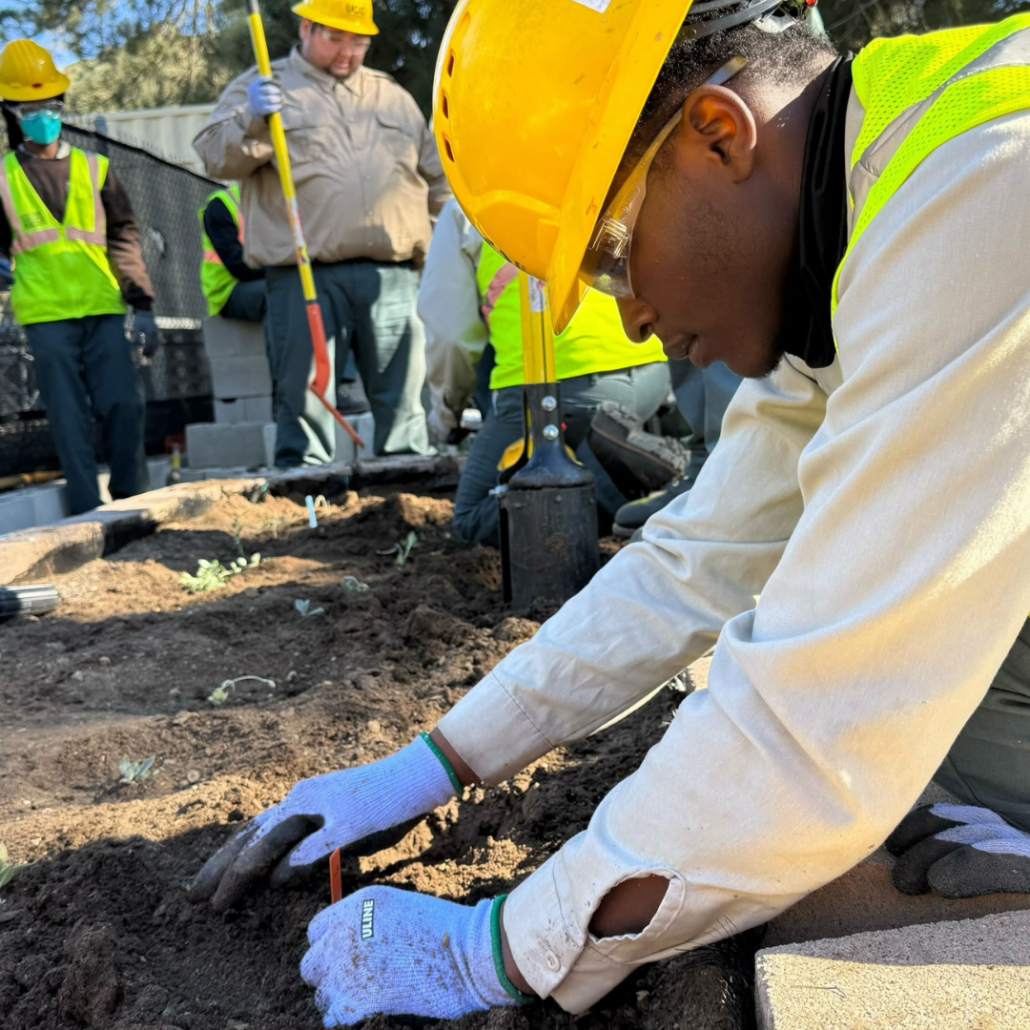
Work with current members and alumni to expand outreach practices and engage new members.
Current Corpsmembers and alumni can be the best program ambassadors. They understand first-hand what it is like to engage in a Corps program, how their service supports access to work and education pathways, and the range of skills that can be developed through their participation. Working with alumni and active Corpsmembers can help Corps programs raise their visibility and expand their recruitment pool.
- Engage alumni and Corpsmembers to identify different partners, tools, and technologies to promote service opportunities. Successful recruitment will include a blend of online outreach and in-person engagement while also leveraging community partners to help promote programming and available opportunities.
- Develop peer ambassador programs. Many young people may feel more comfortable asking questions of their peers, especially related to program experience and outcomes. Engaging alumni and even current Corpsmembers to serve as mentors can support recruitment, participation and retention in the program. Alumni and current Corpsmembers should be compensated for this additional work.
- Gather feedback from alumni and Corpsmembers on what works and what doesn’t to support continuous improvement of recruitment strategies and to improve engagement with youth and young adults, their caregivers, and the other partners and programs that support and engage them.
Collaborate with workforce, community, and education partners to reach more young people.
Understanding who needs work-based learning opportunities and how to effectively engage with them will help to bolster recruitment efforts and ensure that service opportunities reach more individuals.
- Leverage state and regional data to understand where disconnection is happening and who could benefit from participation in a Corps experience. Data sets could include labor market and unemployment information, student data, and data from vocational rehabilitation, juvenile justice, and foster care partners.
- Continuously assess Corps programming in collaboration with partners to understand who is being served and who continues to be left out and analyze recruitment and program design practices to identify ways to expand access to more youth and young adults.
- Coordinate outreach and recruitment efforts with partners that are actively serving young people to meet them where they are and more effectively share service opportunities.
- Use alumni outcomes data to understand where youth and young adults go after service and identify opportunities to strengthen access to post-service placements and pathways.
Design application materials to reflect culturally responsive and accessible approaches.
Making outreach materials and practices accessible to all youth and young adults is an important strategy to increase recruitment. The outreach process is the first exposure a potential Corpsmembers has with the program, and it is important that they can fully engage with and understand any informational and application materials.
- Develop recruitment, application, and assessment materials in different languages and a range of formats including large print and audio, so they are accessible to individuals of all abilities.
- Clearly outline entry and success requirements so potential participants fully understand what is expected of them and when possible, provide support to help individuals meet any necessary prerequisites.
- Remove questions about conviction records as part of the application process (ban the box), except in cases where it is required by specific job eligibility criteria. When needed, help young people access required documentation.
- Take a trauma-informed approach to requesting background information, providing potential service members the opportunity to choose how much background to share. Ensure that all staff are properly trained in trauma-informed practices.
Identify and work to reduce or eliminate barriers to entry to support member outcomes.
This should happen from the first engagement and continue throughout a young person’s participation in the Corps program. All Corpsmembers should have timely and responsive access to supports, and those supports should address the full range of needs a young person may have. This supports Corpsmember retention and success from the start.
- Either through in-house programs or a strong referral network, provide robust wraparound services that support the full range of needs of Corpsmembers. This can include offering meals, stipends for transportation, food, and child care, disability accommodations, and support for obtaining work clothing as well as supporting participants in accessing benefits through programs like SNAP, TANF, legal aid, and other relevant services.
- Ensure compensation is aligned with the local labor market and provide wage/stipend increases where possible as Corpsmembers gain new skills and competencies. Compensation helps ensure that all youth and young adults can participate in these opportunities while meeting their life needs outside of the program.
- Leverage the AmeriCorps waiver for Education and Training to increase the number of allowable hours for job readiness and preparation activities from 20% to 50%. This can help to support efforts to expand workforce training activities and strengthen service to career pathway design. Consider how this increase in allowable education and training hours can be distributed to youth and young adults who may need them most.
- Utilize case managers/navigators and tailored case management plans to proactively support Corpsmember persistence and success from onboarding through completion. Use these plans to identify early warning indicators, coordinate timely wraparound supports, and apply Universal Design for Learning principles so training, communication, and program structures are accessible to all Corpsmembers by default, with individualized accommodations provided as needed.
- Design work environments to be compliant with the guidelines of the Americans With Disabilities Act (ADA) so that youth and young adults of all physical abilities can fully participate in service. Provide adaptive training tools and equipment and proper accommodations as needed and regularly assess the accessibility of work environments as new participants join the program.
Supporting Corpsmember Retention and Success: The Work Group
The Work Group attributes their long-standing commitment to the Corpsmembers they serve to relationships built before program enrollment. Their program offers a comprehensive approach to supportive services, emphasizing the importance of addressing all aspects of a young person’s life, from practical needs like food and clothing to mental health support. The program integrates supportive services into its culture, ensuring staff at all levels can identify and meet Corpsmembers’ needs. Specific examples include providing essentials like transportation or clothing, supporting mental health through dedicated professionals, and teaching life skills such as making doctor’s appointments.
These efforts are funded through private donations and creative solutions. The program aims to foster strong relationships with corpsmembers, aiding their personal and educational development. By nurturing this supportive environment, they achieve high retention and success rates, emphasizing that even small grants can significantly impact young lives.
Design and Assessment of Participant Learning
Design and assessment of participant learning matter for youth and young adults is important because the learning environment shapes not only what they know, but how they see themselves as capable workers and learners. When learning is engaging, accessible, and clearly connected to service, Corpsmembers are more likely to participate, persist, and build confidence. When it is unclear or poorly designed, it can lead to disengagement and reinforce negative self-beliefs. At its best, this practice defines what Corpsmembers should learn and be able to do, creates multiple ways to access and practice that learning, and uses assessment as a supportive feedback loop—helping Corpsmembers strengthen skills, knowledge, and workplace habits while supporting whole-person development such as self-awareness, help-seeking, and resilience.
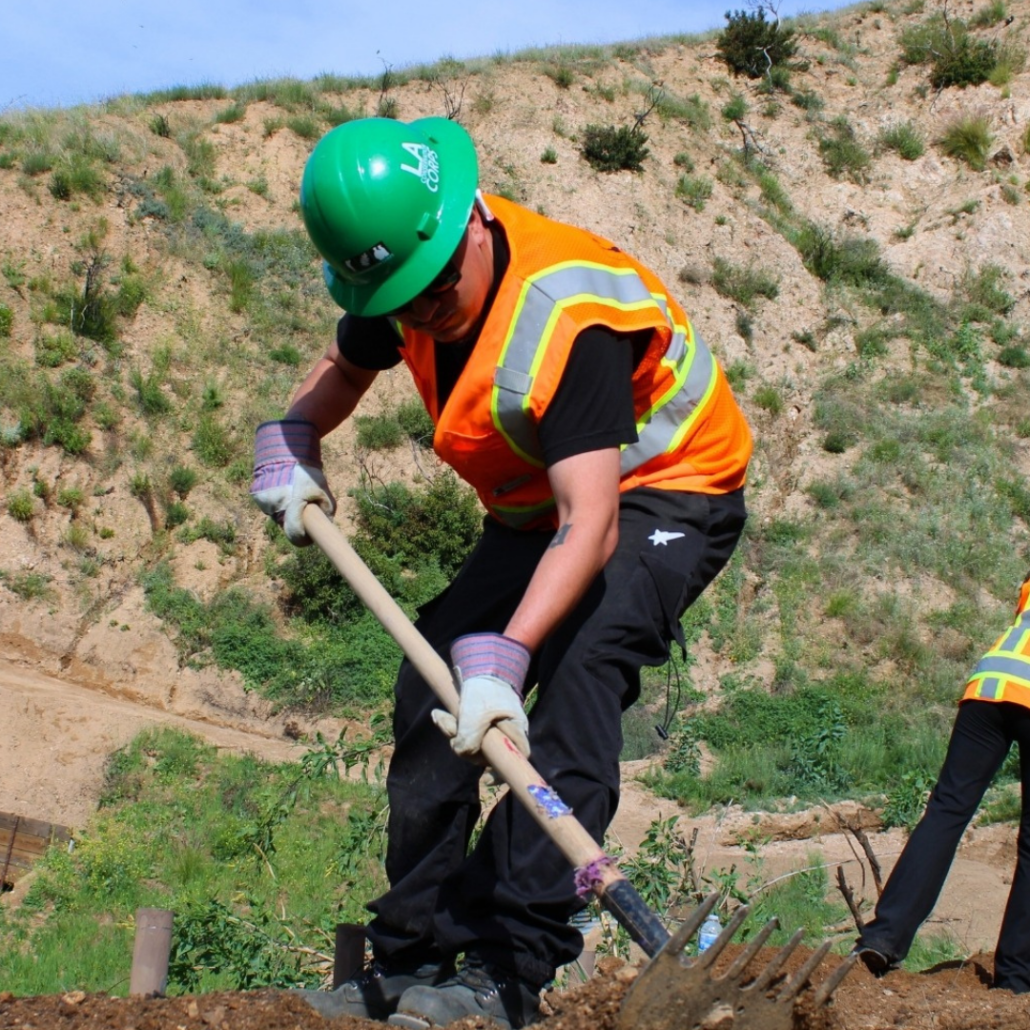
Design learning to support holistic Corpsmember development, so young people grow as workers and as people.
Corps programs are effective not only because they build workforce skills, but because they develop people through service. Participants are learning to do the work and to lead. They are building communication skills, resilience, and a sense of purpose and contribution. That whole-person development is not separate from employment outcomes; it is a driver of them, because empowered, connected community leaders tend to persist longer, collaborate better, and advance faster in the workplace.
- Identify and continuously revisit the skills Corpsmembers need to succeed in targeted pathways such as industry knowledge, technical skills, and credential-aligned competencies and pair them with the transferable and personal development skills that make success sustainable like communication, problem solving, teamwork, and decision-making.
- Map personal and professional development outcomes across the entire service program and experience, through individual development plans or goal action plans, values and interest assessments, and structured reflection, so Corpsmembers build self-awareness, agency, and workplace habits in addition to technical skills, and development is treated as growth over time.
Guide learning with a clear road map, so Corpsmembers understand expectations and how the pieces fit together.
Learners are more likely to engage and persist in programs when they can see the bigger picture: what they are working toward, what comes next, and how different elements of the program connect. Make the learning journey visible by providing a clear road map that integrates classroom learning, work-based learning, coaching, and goal setting into one coherent experience.
- Develop a one- or two-pager that clearly defines all components of the program and highlights which activities support the service-learning term and requirements, which support technical training and work-based learning, and which foster employability skills and personal development growth. Include information about how much time is spent in each aspect of the program, how components build toward credentials and other workforce milestones, when there are opportunities for reflection and feedback, and key milestones and details to help Corpsmembers know when they have been successful in each component.
- Utilize individual development plans (IDP) as a shared coaching tool for Corpsmembers and staff to align on clear goals to track progress over time. A strong IDP captures (1) the Corpsmember’s personal and professional goals, (2) planned classroom instruction and training experiences, and (3) work-based learning activities and service assignments. The IDP is a living document, used in regular check-ins to guide coaching, identify when additional supports are needed, and keep the program experience connected to next steps.
Use adult learning principles and interactive strategies, so instruction is engaging, inclusive, and effective.
High-quality instruction is not only about what content is covered; it is about how learning is experienced. Strong programs design curriculum and facilitation approaches make learning relevant, applied, and participatory. (Learn more about adult learning principles).
- Utilize the principles of Universal Design for Learning to support Corpsmember agency and help them to effectively access and participate in all training and learning opportunities and demonstrate understanding.
- Design training and learning modules that combine short content segments with interactive opportunities such as discussion, reflection, and applied practice. Build on Corpsmembers’ lived experiences, create multiple ways to engage, and provide repeated opportunities to practice and apply learning in real service contexts.
- Incorporate peer learning and structured reflection so Corpsmembers can connect learning to service experiences, strengthen their confidence and self-awareness, and deepen their understanding and ownership of the post-service opportunities.
Use assessment as feedback and coaching so Corpsmembers can improve and see progress over time.
Assessment is most useful when it helps Corpsmembers understand what they are doing well, where they need support, and how they can improve, not when it feels like a one-time test.
- Avoid treating assessment as a stand-alone quiz and instead assess learning at multiple points by building assessment into a broader learning cycle of practice, feedback, reflection, and re-try. This approach helps Corpsmembers learn from mistakes, track growth, and build confidence through visible progress over time.
- Ensure that assessments provide clear guidance about what needs improvement and what “good” looks like. Strong programs build in opportunities for re-assessment or repeated demonstration of skills, so Corpsmembers can show progress rather than being defined by an early setback.
- Use competency-based approaches that help Corpsmembers track their progression toward defined competencies through observation, work products, self-assessment, and coaching conversations. Utilize tools that document competency progression over time (e.g., skill checklists, rubrics, supervisor observation guides, portfolio reviews, and structured reflection).
- Leverage information and learning from assessments to support continuous program improvement and identify where curriculum, instruction, or supports need to be adapted.
- Regularly provide feedback to participants that reinforces learning and helps Corpsmembers understand what they did well, what to improve, and what next steps will help them demonstrate competency more strongly in future practice.
Design and Assessment of Participant Learning Program Example: Los Angeles Conservation Corps
Corpsmembers at Los Angeles Conservation Corps who complete a full year program go through three training tracks: foundational skills development, general technical training, and vocational industry-aligned credentialling. Training is designed to align with on-the-job learning opportunities where skills are assessed by crew leaders and other Corps staff. Corps staff record hours and member completion of each training module; they also assess members through credentialing exams. Curriculum design is based on industry-recommended competencies as well as mission-based priorities for increasing Corpsmembers’ understanding of environmental and climate issues. Foundational training components include Climate Action and Awareness, Community Engagement, and several work-place readiness lessons.
Career Pathway Mapping and Navigation
Career pathway mapping and navigation help youth and young adults answer a practical set of questions while they are still in service: What occupations does my service experience connect to? Which roles fit my strengths and interests? What credentials or training do I need next? What do wages and working conditions look like? Who offers these roles locally, and how do I access those opportunities? When programs make these connections explicit and actionable, youth and young adults are better positioned to make informed decisions about their next steps and successfully move from service into roles that offer stability, advancement, and long-term mobility. This workforce component also helps program leadership situate their Corps model in the broader workforce ecosystem.
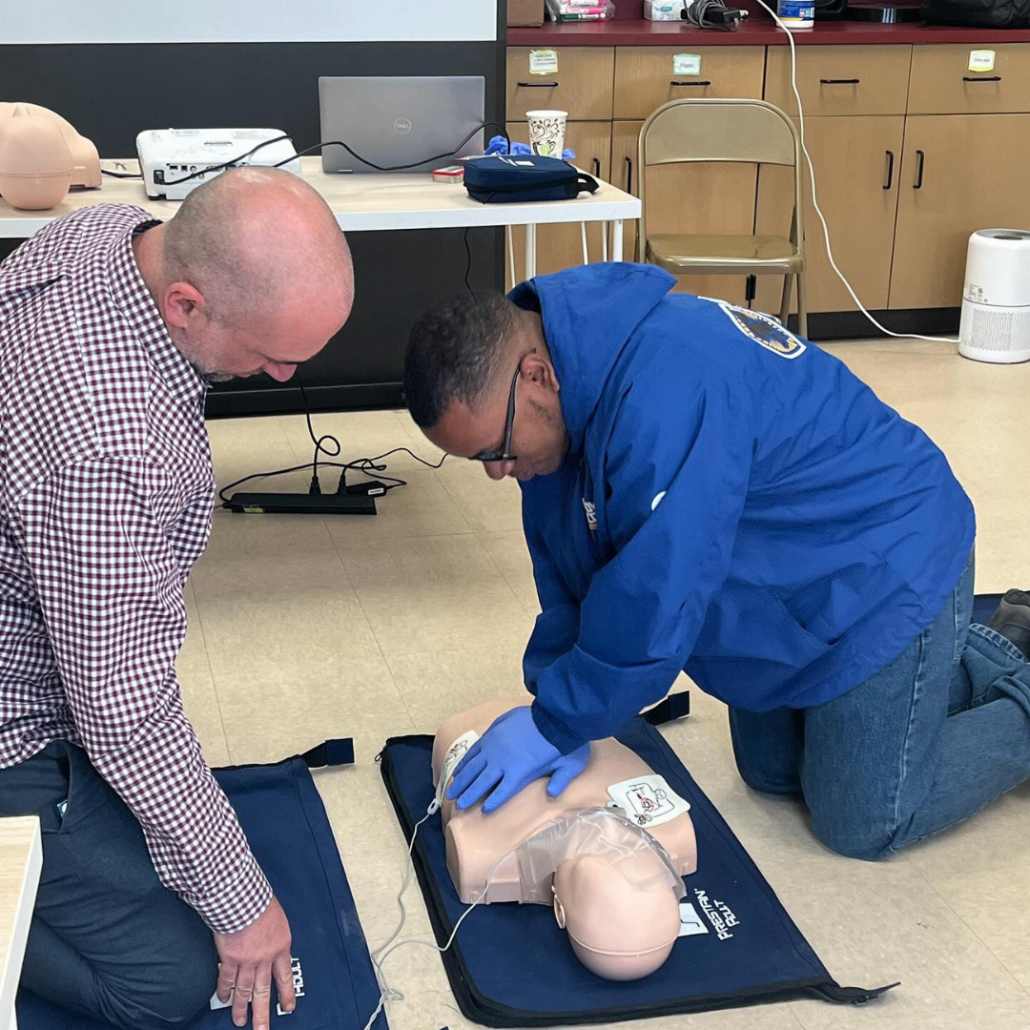
Provide human-centered, personalized career navigation coaching through an ongoing relationship.
Career pathway navigation is strongest when Corpsmembers have a consistent, trusted point of contact who helps them make sense of options and make decisions over time. This support can help Corpsmembers explore immediate and future career opportunities and understand how to access them.
- Assign each Corpsmember a career navigator and provide a regular coaching cadence throughout the program, not only as Corpsmembers prepare to exit to ensure that participants have continuous support and guidance. Provide staff with the necessary training to provide these supports to youth and young adults.
- Train career navigators and coaches on youth-centered practices and strengths-based coaching and ensure that they have enough context about the service experience to translate day-to-day work into career-relevant insights.
- Build an integrated support team approach where career navigation and supportive services operate in parallel through shared check-ins, referral pathways, and documentation. This preserves the navigator’s focus on career planning while ensuring that wraparound needs are met quickly and consistently.
Help Corpsmembers build self-awareness by identifying their skills, interests, strengths, and preferences and connecting them to pathway options.
Having a strong sense of self and understanding of one’s goals and interests is essential for Corpsmembers navigating post-service opportunities. Helping Corpsmembers reflect on the tasks they enjoy, the environments where they thrive, and the strengths they are developing through service can help them narrow from “a lot of possibilities” to a set of pathway-aligned roles that are motivating and achievable.
- Embed reflection activities into the coaching model and regularly ask Corpsmembers questions that prompt them to think not only about what they are learning, but what they enjoy doing, what their aspirations are, and what conditions and work/service settings allow them to thrive.
- Help Corpsmembers build clear interest, skills, and abilities profiles using structured tools (such as the O*NET Interest Profiler or similar assessments) and guided debrief conversations. Use results to identify which kinds of roles may be a strong fit, which roles may be less aligned, and what that means for near-term exploration and decision-making.
- Regularly reflect on and translate service experiences into clear skill language that Corpsmembers can use in resumes, interviews, professional profiles such as LinkedIn, and career conversations (e.g., “what I did,” “what skills it demonstrates,” and “what roles it connects to”).
Support guided decision-making so Corpsmembers can narrow to the best-fit employment opportunities and build understanding of what is needed for long-term advancement.
In addition to understanding oneself, it is also crucial to understand the realities of the labor market and the employment opportunities available. This information supports informed decision-making about which pathway is the best fit—considering values, readiness, time, training requirements, and long-term goals. It is highly collaborative with the Corpsmember, and the outcome is a realistic, committed direction: typically, one to two occupational tracks (or a small set of closely related roles) that a Corpsmember is prepared to pursue and motivated to advance within.
- Provide structured career exposure (i.e. job shadows, site visits, informational sessions/panels) so Corpsmembers can validate fit by seeing day-to-day work, workplace norms, and advancement pathways firsthand.
- Facilitate relationship-building with employers and industry partners through recurring touchpoints (meet-and-greets, hiring/info sessions, alumni panels) that help Corpsmembers ask questions, practice professional communication, and build social capital.
- Use labor market information (LMI) to support Corpsmembers’ understanding of the local labor market, available employment opportunities and job requirements, and industry trends related to long-term advancement. This data, which includes size and characteristics of labor markets, jobs, and specific industries, sectors, and education pathways, can help Corpsmembers look beyond “What can I get hired for next” and understand “What can I grow into.” It also helps Corpsmembers understand what additional preparation is needed to move from one occupation to the next.
- Compare different roles and opportunities using consistent criteria, and map Corpsmembers’ current skills to the requirements of each role, including daily tasks, work settings, physical demands, schedule, wage range, advancement potential, and entry requirements, so choices are grounded in both interest and feasibility.
- Make tradeoffs visible and decision-ready by helping Corpsmembers weigh key considerations such as schedule and work-life balance, work setting and physical demands, transportation and location, wage and benefits, training/credential commitments and time to employment, and what success in the role requires, so they can choose options that fit both their goals and their lived realities.
- Narrow to one to two occupational pathways with clear reasoning and a “why.” Support Corpsmembers to commit to a small number of tracks, and document why those tracks fit their goals and preferences, what conditions need to be true to pursue them, and what questions still need to be answered before finalizing a next step.
Build personalized action plans that turn selected occupational pathways into concrete next steps during and after service.
Once Corpsmembers have narrowed to their target pathways, the work shifts from deciding to doing by building a plan that clarifies the path forward, including what credentials, training, education, and experience is needed; what can be completed during service; and what happens immediately after completion to minimize gaps. Strong programs treat the plan as a living tool that guides coaching, aligns skill-building and mentorship to the target track, and keeps momentum through clear milestones and accountability.
- Develop action plans that are tailored to specific pathways and individual goals and needs. These plans should document the chosen career path including the typical entry points, required or preferred credentials, training/education options, timelines, and estimated costs, as well as types of work activities (hands-on, desk-based, people-centered) and workplace norms and expectations—so Corpsmembers understand the sequence and what it will take to move forward.
- Convert pathway steps into time-bound actions and milestones. Break the plan into specific actions with due dates (applications, enrollment steps, credential prep, portfolio updates, employer conversations, interview readiness) so progress is measurable and manageable.
- Align service-based learning and mentorship to the plan to help the Corpsmember identify which skills need further practice and ensure that service activities support this continued development. This can also help determine what “evidence” to capture (work products, feedback, competency check-ins), and which mentoring conversations matter most for readiness.
- Use the plan as the agenda for regular coaching so that Corpsmembers can consistently reflect on their progress and approaches to training can adjust as interests or circumstances evolve. Utilizing the plan as a coaching tool also helps Corpsmembers to keep connections between the questions “Where am I headed” and “What am I doing next” and to support their ongoing personal and professional development.
Building Intentional Career Pathways: Promising Approaches from PowerCorpsPHL
PowerCorpsPHL (in Philadelphia) engages young adults ages 18-30 in a structured, place-based pathway model that offers a phased, paid career development journey that aims to align the participant’s interests and needs with available sector-specific job training leading to long-term employment. This is accomplished in two phases: Foundations and Career Training.
In Phase One, Foundations: Corpsmembers earn a stipend while serving full-time in crew-based AmeriCorps placements supporting community spaces, water systems, urban farms, and other aspects of public and municipal infrastructure. With regular attendance and participation over approximately four (4) months, Corpsmembers explore the various career options and build work readiness skills, including technical skills and employability skills before transitioning to Career Training. They also earn education awards as a benefit of their AmeriCorps service and, in some cases, may earn City Civil Service points that assist in qualifications for municipal employment.
In Phase Two, Career Training: Corpsmembers continue earning stipends while focusing and strengthening their technical skills training in specific industry sectors. This may include sector-based, hands-on training and credentialing in Water Infrastructure, Urban Forestry, Skilled Trades (including electrical and HVAC), Preservation Trades, and Youth Work. In addition to the paid experience offered through the program, Corpsmembers are supported by a team of professionals offering support with career navigation, reentry services, child care, transportation, and mental health services. Upon completion of both phases, Corpsmembers are positioned to obtain full-time employment with local employers or continue their postsecondary education to further develop their skills.
Industry and Education Partnerships and Credentials
Direct engagement with employers and industry associations is critical to supporting successful post-service placements for youth and young adults. These relationships ensure that young people not only earn credentials that have value and meaning but also are given credit for the work they have already done. These partnerships also enable more effective access to a range of post-service placement opportunities with industry and education partners to validate credentials and certifications, provide credit for prior learning and advance standing, support program design and delivery, offer important opportunities for social capital building, and strengthen awareness and understanding of career pathways and advancement opportunities.
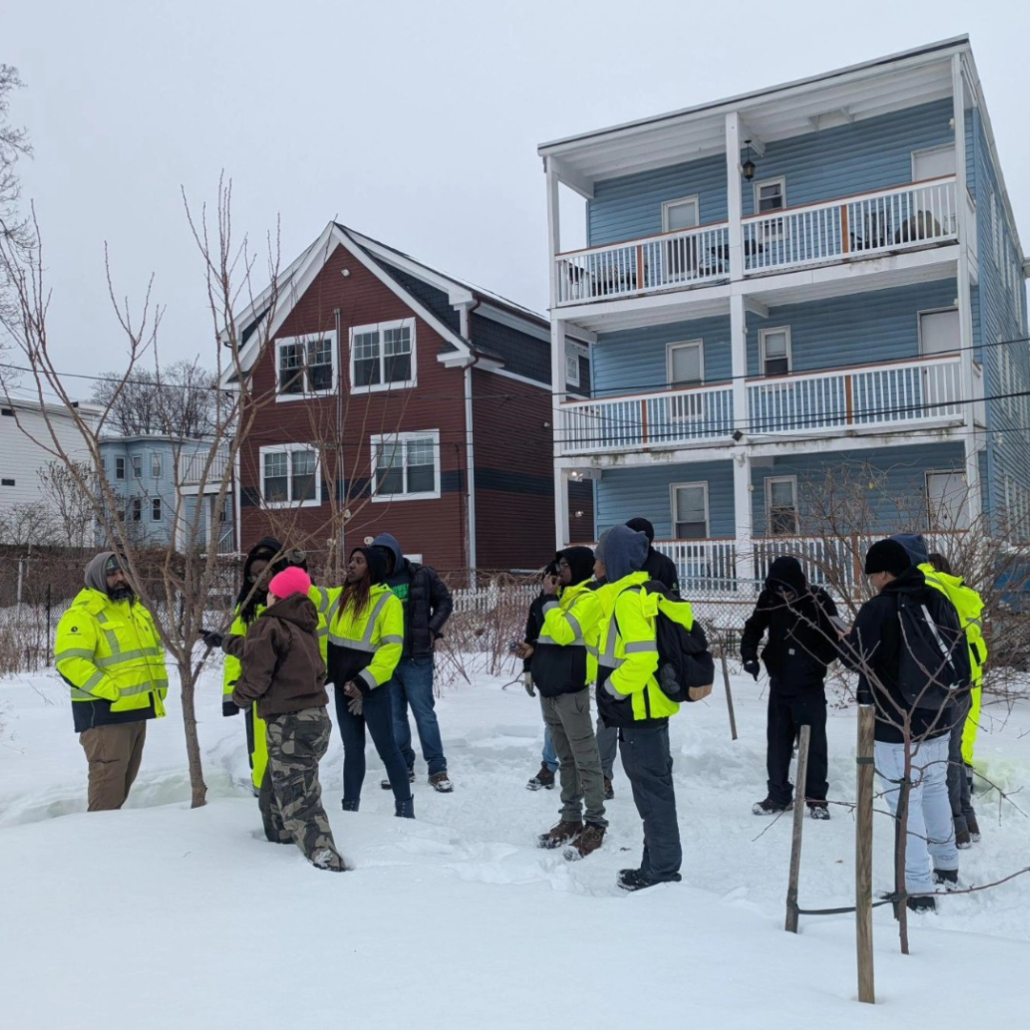
Identify and embed relevant and essential industry-recognized credentials and certifications into service programming and engage employers and industry partners to review and provide feedback on curriculum and work-based learning experiences to ensure alignment with current industry practices and expectations beyond credentials.
Credentials and certifications offer Corpsmembers a valuable way to validate and prove their skills and competencies to potential employers and can help support credit for prior learning and advanced standing in other training and academic programs. However, the credential landscape is crowded with many options, not all of which are aligned with what employers want and need.
- Partner with local workforce boards to identify credentials and certifications most used by employers in the region and state, the cost of providing credentials and certifications, and any required testing and assessment needed to earn them. Confirm if credentials and certifications you are exploring are listed on the state’s eligible training provider list.
- Utilize online databases such as O*Net, Credential Engine, the Bureau of Labor Statistics, Burning Glass, and others to assess credentials and certifications and ensure that they hold meaningful value and support direct access to employment post-service.
- Work with employers and industry associations to validate credentials and certifications and ensure that credentials and certifications are relevant in the local and regional labor markets, are aligned with industry needs, and support successful entry into employment. Refer to industry guidelines and requirements and, if applicable and available, state guidance to identify quality credentials.
- Engage employers and industry partners to review curriculum and provide regular feedback on classroom instruction and work-based learning activities to ensure that content reflects current industry practices, tools, and expectations, including the skills that matter for readiness even when they are not tied to a formal credential.
- Provide opportunities for Corpsmembers to earn stackable and portable certifications, including micro certifications and digital badges that can lead to larger industry-recognized credentials. This can also include helping Corpsmembers get things like their First Aid and CPR certifications and driver’s licenses.
- Increase credential and certification attainment by removing financial and academic barriers, including covering the cost of testing fees and materials, providing testing accommodations, offering opportunities for practice exams, and including academic supports throughout the service experience.
Support credit for prior learning and advanced standing in training and education pathways.
Collaborating with partners to ensure Corpsmembers get credit for their service and the credentials and certifications they earn can increase access to post-service employment and education opportunities. Providing credit for prior learning and work can also make it possible for youth and young adults to enter these pathways with advanced standing and progress to future opportunities more quickly.
- Collaborate with employers, industry associations, sector-specific industry partnerships, and Registered Apprenticeship sponsors to validate and align Corps program curriculum, skill and competency gains, and credentials and certifications with employment prerequisites and requirements. Work with these partners to ensure that curricula and classroom training properly prepare youth and young adults for employment opportunities and assess the value-add of aligning with their employment and training opportunities. When possible, translate service and learning into a total number of training hours completed so that a Corpsmember can enter a training program with advanced standing.
- Work with education partners to map service curricula, experiences, skills, and credentials and certifications, and validate that curricula and classroom training align with the requirements of postsecondary pathways and degree programs. Collaborate to determine how many course hours can be completed or credits attained as a result. Direct engagement with prior learning specialists at academic institutions can help to expedite this work and ensure that Corpsmembers receive credit for prior learning in an academic pathway.
- Help Corpsmembers develop professional portfolios to support attainment of credit for prior learning and advanced standing. This includes documenting descriptions of service activities and the skills and competencies developed, including the hours spent becoming proficient, cataloguing all certifications and credentials earned, compiling samples of work, and recording any noncredit courses, seminars, or virtual and open-source trainings completed.
Facilitate access to Registered Apprenticeships and other earn-and-learn programs offered within the industry.
Earn-and-learn programs offer Corpsmembers continued opportunities to train and develop their skills in alignment with industry needs while ensuring that they earn a progressive wage and credentials, mentorship, and continued career exploration support.
- Leverage the pre-apprenticeship model to facilitate more direct connections and access to Registered Apprenticeship programs. Integrate pre-apprenticeship elements and high-quality practices into programming when possible to provide a structured workforce training experience. If applicable, work with the state’s department of labor and office of apprenticeship to explore opportunities to formally recognize the Corps program as a pre-apprenticeship that can expand access to funding, employer partnerships, and certifications and credentials of value, and help raise awareness of the program with youth and young adults.
- Collaborate with Registered Apprenticeship sponsors to align service activities and training with their program standards and requirements. Engage with Registered Apprenticeship sponsors before adopting pre-apprenticeship elements to ensure that overall program design, skill-building activities, and certifications and credentials align with their program standards, entrance requirements, and prerequisites. This will result in more direct and facilitated entry into a Registered Apprenticeship for Corpsmembers who want to pursue this pathway and support advanced standing within the program.
- Explore opportunities to integrate service experiences into pre-apprenticeship and Registered Apprenticeship models. This can be done by designing Corps programs in alignment with the U.S. Department of Labor’s quality criteria for pre-apprenticeship and registering the program as a pre-apprenticeship in states where formal processes for approval exist. Corps programs can also consider formally registering as apprenticeships. This can build a valuable pathway for young people, but can also be labor-intensive, especially for AmeriCorps programs which have to adhere specific federal rules and regulations. Approaches will vary based on specific state context and structures.
- Build connections to other service experiences that are aligned with Corpsmembers’ long-term goals and interests by working with State Service Commissions to identify other AmeriCorps and service programs available within the region and state. Work with those programs to identify any requirements for participation and support opportunities for Corpsmembers to take on leadership positions in these programs when possible (such as a VISTA Leader position in AmeriCorps VISTA).
Building Powerful Industry and Education Partnerships: PowerCorpsBOS
PowerCorps Boston (PowerCorpsBOS) is a standout Corps for industry and educational partnerships. They are an emerging national model for when municipalities invest in workforce development initiatives in their community. The 10-month Green Industry Workforce Development Program is co-created with employers and higher-education partners and aligns its curriculum with the workforce priorities of the Boston municipal government. Their “earn and learn” program is a two-phase model that focuses on work-readiness skills and industry-specific skills in three career pathway tracks: Urban Forestry, Building Operations, and Urban Greening. PowerCorpsBOS is an equal opportunity program and reserves priority for people with records of arrest, conviction, or incarceration, people who are experiencing housing insecurity, young people in foster care, and members of other populations facing barriers to economic advancement. Their structured service experience includes professional development, mentoring, individualized support, and transitional support for employment and postsecondary education. Upon program completion, Corpsmembers are provided opportunities to enter direct hiring pipelines in fast-growing green-industry sectors with long-term demand.
Service Experience (Work-Based Learning and Mentorship)
This approach ensures that youth and young adults have intentional and structured opportunities to explore and test out different pathways and can build a strong understanding of the world of work. The service experience is the heart , and it becomes a true pathway engine when it is designed as high-quality work-based learning. Programs can strengthen service experiences by intentionally aligning to JFF’s Work-Based Learning Quality Framework and its quality indicators (including universal access, intentional alignment, financial support, personalized mentorship, pathway integration, and collaborative partnership). Using this lens helps program leaders design service roles that are accessible, connected to skills and career pathways, supported by mentors and coaches, and reinforced through strong employer and ecosystem relationships.
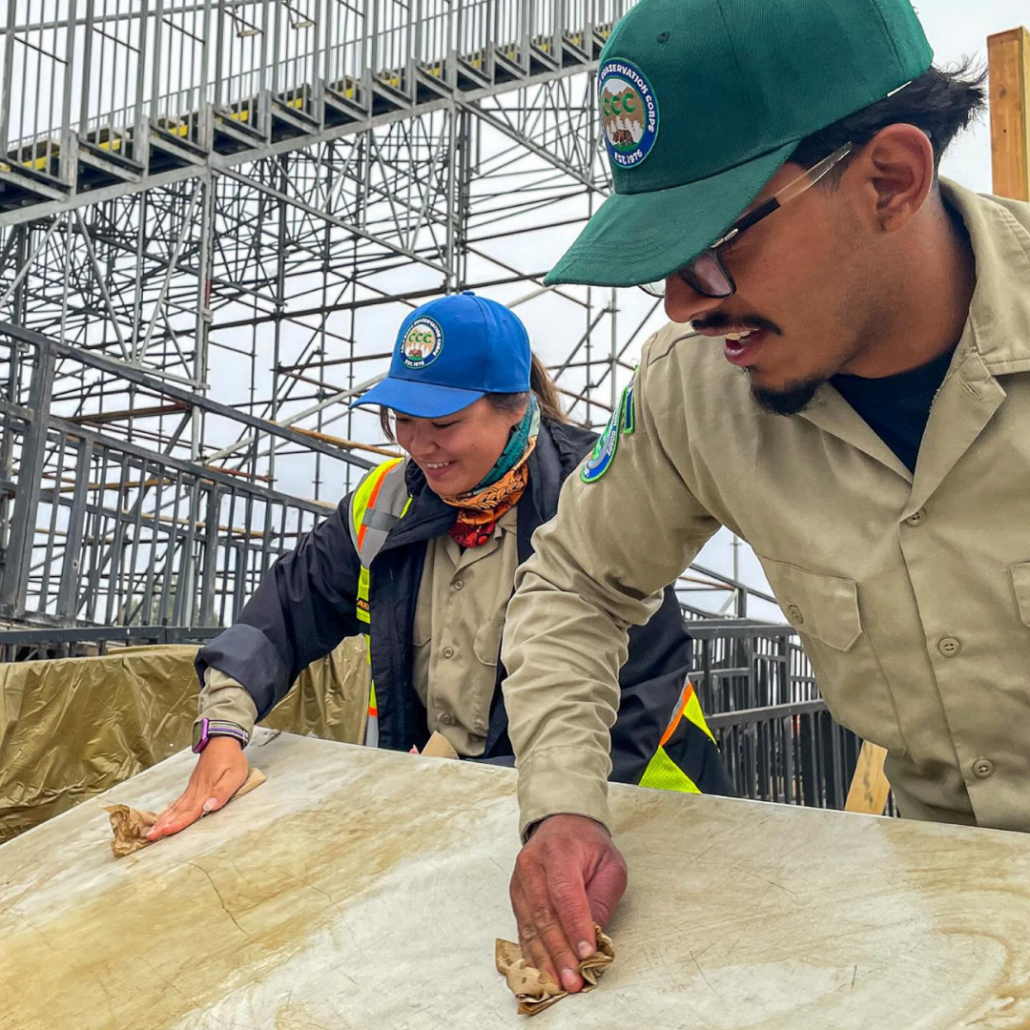
Align service experiences to skills and competencies so Corpsmembers build pathway-aligned capabilities through real work.
Service becomes a stronger pathway when programs treat it as a structured learning environment, where Corpsmembers are not only completing tasks but also developing defined competencies that matter for next-step roles.
- Define the competencies each service assignment is designed to build and identify the specific technical, safety, teamwork, and professional competencies that Corpsmembers will develop through each service assignment, as well as key tasks they perform and the hours of hands-on experience they gain, so they have clarity about what they are doing, what they are learning, and why it matters for their next steps.
- Use the competency list as a consistent tool from orientation through completion. Introduce the competency list at the beginning of the program to set expectations and then revisit it at multiple points throughout the term so Corpsmembers can document progress, identify gaps, and make adjustments that support successful completion and readiness for what comes next.
- Build in structured reflection so Corpsmembers can make meaning of what they are learning. Create reflection moments that help Corpsmembers name the skills they are building and assess fit, what types of tasks they enjoy, what they are strong at, what settings help them thrive, and what they are learning about the kinds of work and roles they want to pursue moving forward.
Embed structured mentorship and coaching so Corpsmembers receive guidance, feedback, and support that strengthens skills, persistence, and workplace navigation.
High-quality work-based learning depends on consistent mentorship and coaching, not just task direction. Programs strengthen service experiences when Corpsmembers have trusted mentors who provide real-time feedback, help them navigate workplace norms and expectations, and reinforce growth over time. Mentorship works best when the model is defined (who mentors, how often, what it covers), mentors are prepared for the role, and the experience is supported by practical tools that keep mentorship aligned to goals and learning progress.
- Train mentors to coach skills and strengthen belonging through daily practice. Provide mentor preparation that covers (1) how to teach and reinforce pathway-aligned skills on the job (clear expectations, demonstrations, feedback, coaching through mistakes) and (2) how to create a supportive environment where Corpsmembers feel safe to ask questions, seek help, and learn, using practical scenarios and language mentors will use in the field.
- Establish a clear mentorship model with defined roles, coordination, and consistency. Specify who is responsible for day-to-day coaching (e.g., crew leader/site supervisor), who provides broader career support (e.g., career navigator), and how these roles communicate so Corpsmembers experience one connected support system. Set a consistent cadence for mentoring touchpoints and clarify what each touchpoint is meant to accomplish.
- Deliver mentorship in ways that support skill growth, persistence, and workplace navigation. Use mentoring conversations to (1) provide real-time feedback on skill development, (2) help Corpsmembers navigate common workplace challenges (communication norms, teamwork dynamics, receiving feedback, resolving issues early), and (3) connect them to people and resources that build social capital, so they leave service with both stronger skills and stronger networks.
Help Corpsmembers capture and communicate their skill and competency attainment, so they are prepared for employment and next steps after service.
Corpsmembers often gain strong experience through service; the opportunity is to help them capture that experience in a way that clearly shows skill growth and readiness for next-step roles. Programs strengthen transitions when they build periodic routines for documenting competencies, work products, and feedback, so Corpsmembers can show what they did, what they learned, and how their service experience connects to what comes next.
- Use periodic competency check-ins to document progress and identify growth areas. Incorporate structured competency reviews at key points in the program (e.g., midpoint and end-of-term, or quarterly) using checklists or rubrics so Corpsmembers can see progress, identify gaps, and understand what to strengthen next.
- Support Corpsmembers to build and maintain digital employment portfolios that connect evidence to target roles. Ensure that Corpsmembers capture work products and proof of learning over time including photos/videos of field work, project artifacts, skills checklists, credential progress, reflections, and mentor feedback—organized so the evidence clearly aligns to the skills employers expect.
- Integrate portfolio updates into program milestones so documentation becomes part of the program rhythm. Build portfolio time into existing milestones (end of project, quarterly reviews, pre-transition planning) so maintaining the portfolio is routine and not an end-of-term scramble.
- Prepare Corpsmembers to present their skills and portfolios for next-step roles. Provide structured practice so Corpsmembers can summarize their competencies, reference portfolio evidence, and explain how their experience aligns to the requirements of the roles they are pursuing.
Provide career exposure to next-step roles and help Corpsmembers build relationships that support forward movement after service.
Service experiences build skills, but transitions accelerate when Corpsmembers also understand what roles exist beyond the current assignment and have relationships that can open doors. Programs strengthen outcomes when they provide structured exposure to next-step roles (what the job looks like, what advancement requires) and help Corpsmembers build social capital through connection to employers, professionals, and alumni who can offer guidance, referrals, and opportunity awareness.
- Create structured exposure to “what’s next” roles. Offer site visits, job shadows, panel discussions, or informational interviews that help Corpsmembers understand day-to-day work, working conditions, and advancement pathways in related roles.
- Build relationship-based opportunities, not one-off events. Create repeated touchpoints with employers and professionals (e.g., quarterly open houses, rotating guest mentors, project partner meet-and-greets) so relationships can deepen over time.
- Support informational interviews and professional communication practice. Prepare Corpsmembers with question guides, outreach templates, and debrief conversations so they can learn from interactions and build confidence.
- Leverage alumni as connectors and near-peer mentors. Invite alumni to share pathways, review portfolios/resumes, and offer practical advice on workplace transitions and advancement.
Expanding Access to Careers Through Work-Based Learning: California Conservation Corps
The California Conservation Corps (CCC) aligns service projects with work-based learning priorities in the following fields: Culinary, Emergency Response, Forestry, Habitat Restoration, Resource Conservation, Trails, Fisheries and Watershed Protection, and Wildland Firefighting. Depending on the service focus they are pursuing, all crews receive the required training and credentials to be successful on service projects. Service projects are supervised by a CCC crew supervisor who mentors and supports Corpsmembers in the field as they put their skills to the test. Crew supervisors and other CCC staff assess Corpsmembers’ progress toward skill proficiency by setting up individual development plans, providing routine feedback on performance while in the field, and providing pathways for additional learning and credentialing. Corpsmembers also have access to CCC career navigators who assist Corpsmembers with translating their service experience into resumes, cover letters and interview techniques that will help them secure employment.
Post-Service Placement and Alumni Supports
Placement and alumni support are critical to ensuring that youth and young adults don’t only get a first job after service but can meaningfully access long-term advancement. Continued support and guidance ensure that young people can navigate future barriers and become less likely to experience disconnection later on. This is what turns a strong service experience into durable post-program outcomes. Programs strengthen outcomes when they plan for what happens after exit as deliberately as they plan for the service experience itself. That includes providing transition coaching and barrier-removal supports, building relationships with employers and training partners to create real on-ramps, and maintaining post-placement case management through the months when workplace and life realities become more complex. Over time, alumni networks can extend this support by building social capital and connecting Corpsmembers to peers, mentors, and graduates who can offer guidance, opportunity awareness, and a sense of community beyond the term of service.
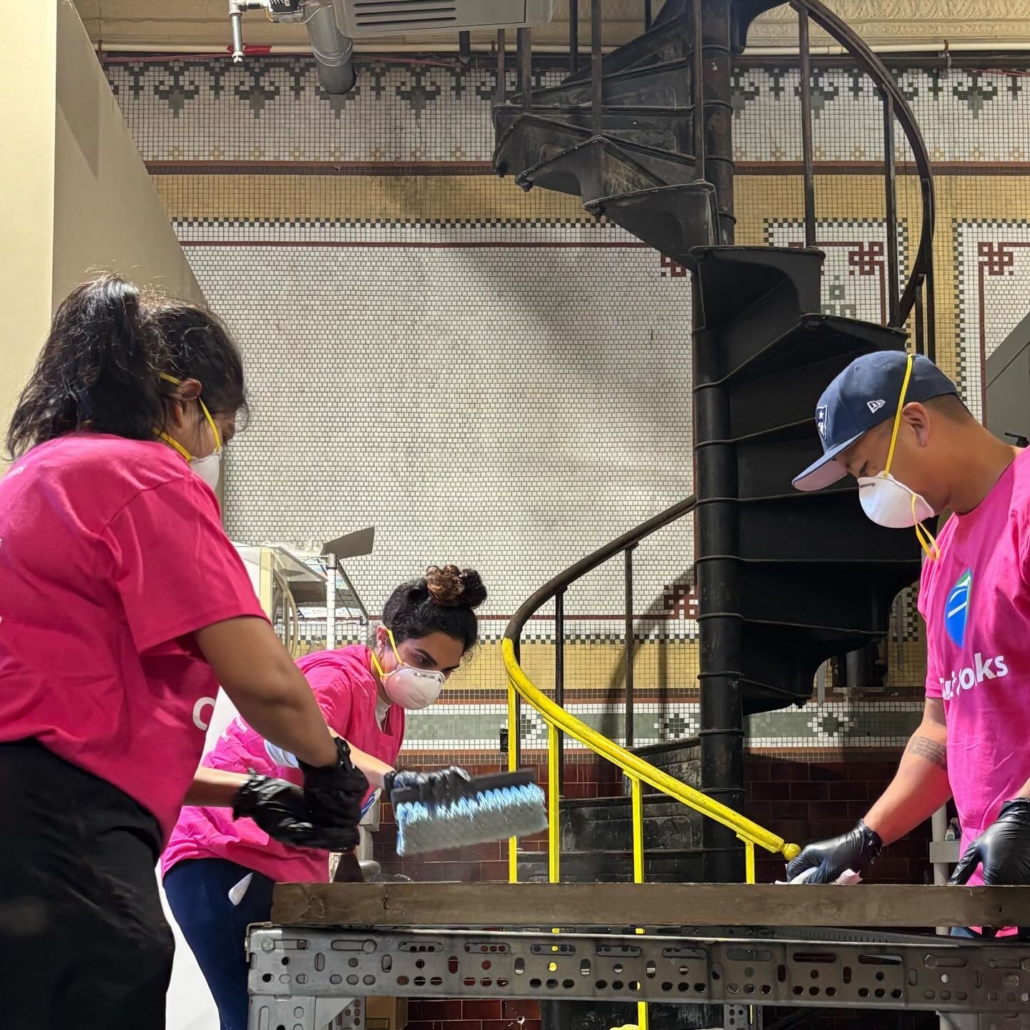
Start placement planning early so Corpsmembers can move quickly into employment, education, apprenticeship, or advanced training after completion.
Placement outcomes improve when planning starts well before exit and remains visible throughout the service term. In practice, programs help Corpsmembers identify likely next steps early, understand what requirements they need to meet, and complete critical actions on a predictable timeline so transition does not rely on last-minute scrambling.
- Introduce post-service goals early and revisit them throughout the program. Establish an early “what comes next” conversation and build regular check-ins so goals stay active and realistic as interests evolve.
- Build a transition timeline with clear milestones. Map the steps needed for the next move (applications, interviews, enrollment deadlines, credential completion, documentation) and assign due dates so Corpsmembers can stay on track.
- Minimize gaps by coordinating timing across partners. Align completion dates with employer hiring windows, apprenticeship intakes, and education start dates, when possible, to reduce downtime between service and the next step.
- Coordinate practical transition supports that remove friction. Help Corpsmembers prepare for onboarding and enrollment needs (work readiness, transportation planning, required documents, tools/equipment, work clothing) so the transition is smooth.
Build employer and education/training partnerships that create direct on-ramps and allow partners to see readiness in action.
Placement is stronger when programs create repeatable pathways to employers and education partners rather than relying only on open-market hiring. In practice, this means building relationships that give partners structured opportunities to meet Corpsmembers, observe their skills, and move quickly from interest to hiring or enrollment.
- Create predictable connection points with partners. Host opportunities such as site visits, open houses, hiring events, or skills demonstrations where partners can see Corpsmembers’ work and readiness.
- Create facilitated referral and placement processes. This includes using MOUs and other formal agreements to establish a clear process for candidate referrals to employers and education providers. These processes should detail a young person’s skill and competency gains and readiness for placement in post-service opportunities and, when possible, outline opportunities for guaranteed interviews and credit for prior learning and advanced standing.
- Use partners to strengthen opportunity awareness. Bring employers, apprenticeship sponsors, and education partners into career exploration so Corpsmembers can better understand roles, requirements, and advancement paths.
Offer transition coaching and early post-placement supports that help Corpsmembers succeed after they start.
The first months after placement matter. In practice, programs stay connected after a Corpsmember starts work or school to help them navigate new expectations, solve problems early, and sustain momentum—especially as initial excitement gives way to real workplace or academic demands.
- Establish a post-placement support plan and check-in rhythm. Set expectations for follow-up and create a schedule of outreach (e.g., first week, first month, and periodic follow-ups) to reinforce stability and troubleshoot issues.
- Provide coaching for workplace and education navigation. Support Corpsmembers to navigate communication norms, scheduling, performance feedback, workplace culture, academic expectations, and time management.
- Connect Corpsmembers to resources when challenges arise. Ensure quick access to referrals and supports for barriers that could disrupt retention (transportation, childcare, documentation, equipment, scheduling changes).
- Engage employers and partners when appropriate. With permission, coordinate with supervisors, apprenticeship sponsors, or student support staff to address issues early and support retention.
Foster and sustain alumni connections that build relationships, social capital, and continued learning over time.
Alumni supports extend the impact of the program by keeping Corpsmembers connected to people, resources, and opportunities beyond the service term. In practice, strong alumni strategies focus on relationship-building and community and create ways for alumni to stay engaged as their careers grow.
- Create recurring alumni gatherings and community touchpoints such as peer meetups, networking events, informal gatherings, and community service days that make it easy for alumni to stay connected.
- Offer ongoing learning and career growth opportunities through workshops or sessions on topics such as advancement strategies, credential completion, financial stability, or leadership development.
- Activate alumni as connectors and mentors. Invite alumni to share job leads, participate in panels, mentor newer Corpsmembers, and strengthen peer-to-peer support across cohorts.
- Maintain lightweight communication channels that keep opportunities visible. Use newsletters, group chats, or alumni platforms to share opportunities, events, and resources and keep the alumni network active.
- Track and maintain alumni outcome data (e.g., post-service employment, education/enrollment, wages when feasible, credential attainment, and retention milestones) using consistent follow-up touchpoints and simple data systems to meet funder reporting needs and continuously improve programming based on where Corpsmembers actually go after service.
Placement and Alumni Supports: Civic Works
As trainees near graduation, Civic Works, based in Baltimore, MD, ensures there is support as they transition into the workforce or continued education. This includes continued case management and barrier removal services, along with placement support that connects members to employment, apprenticeship, or education. This work begins well before graduation, to minimize any gaps between completing the program and employment. They work closely with employers to create direct employment pathways for graduates. Employers connect with trainees through onsite job fairs, biannual hiring events, and quarterly open houses, where they can see hands-on skills demonstrations and interview candidates directly. These efforts help employers clearly see graduates’ readiness while giving participants real access to quality job opportunities.
Support doesn’t stop at placement. The Alumni Services Coordinator (ASC) stays connected with graduates for up to five years after program completion, focusing on employment retention, wage growth, promotions, credential attainment, and other career milestones. The ASC’s role is about building long-term relationships, staying in regular communication, and connecting alumni to resources that support both their career and personal goals. By continuing to support learning, community, and growth, Civic Works helps alumni stick with and advance along their career pathways toward family-sustaining wages and long-term stability.
Corpsmember Voice and Leadership
Placing Corpsmember voice as a core value of participant engagement ensures that programs remain responsive to participant needs as they continue to refine design and delivery. Creating meaningful and intentional ways for young people to voice their ideas, feedback, and concerns supports the development of cultures of belonging within the program and can positively impact their overall well-being leading to greater retention. Leadership opportunities are a defining feature of high-quality Corps programs and are essential to positive youth development. In these programs youth and young adults may be engaging in leadership roles for the first time in their lives, and these experiences offer opportunities to develop critical skills needed for success in the workforce including agency, decision making, communication, problem-solving, conflict resolution, prioritization, and time and project management.
Provide clear, structured, and actionable mechanisms to gather feedback from Corpsmembers.
This includes strategies to integrate feedback into program design and demonstrate how participant voice is informing and evolving the program. This work should span the full life cycle of the program, include multiple touchpoints and activities to help capture a diverse set of perspectives and offer meaningful and substantive participation.
- Understand the spectrum of youth voice and engagement and be intentional about creating opportunities that are authentic and not performative. Create opportunities for youth to share their experiences, ideas, and feedback in different ways and ensure that engagement activities are culturally responsive and provide clear and intentional ways for youth to step into leadership roles.
- Train staff and employer and education partners to effectively engage and support Corpsmembers in sharing their voice by ensuring that they understand concepts like adultism, trauma-informed care, and youth-centered design. Ensure that staff and partners receive feedback and make sure adequate resources are invested to build cultures of belonging and well-being.
- Create Corpsmember groups or councils that facilitate opportunities for youth and young adults to share their voice and inform leadership decisions. Provide a strong structure, including regular meetings, defined decision-making authority to influence outcomes, and regular recommendations to staff. Ensure that groups are accessible to all young people and include structured supports so that participants can meaningfully engage, a staff advisor to support the council, and training on governance and facilitation.
- Embed structured feedback opportunities throughout the program through surveys, supervision meetings, and mentor check-ins so that participant voice is a core component of program design. Include ways for Corpsmembers to provide direct and anonymous feedback and regularly close the loop to share and demonstrate to participants how feedback informed changes or if it didn’t, why. This will ensure that the inclusion of participant voice is meaningful for youth and young adults.
Create opportunities for Corpsmembers to co-design and drive service projects to enhance learning and foster leadership development.
This collaborative approach provides an important opportunity for youth and young adults to step into leadership roles. It also helps them build a deeper understanding of the work they are doing and a sense of agency and ownership of their experience. Learn more here.
- Host a brainstorming or mapping session in which Corpsmembers can identify the problem they want to address and design the service project around it. This can also be a space to identify potential challenges and opportunities. Encourage young people to lead these sessions and provide support so they feel confident doing so.
- Co-develop goals and approaches for service activities with members once a problem has been identified. Encourage youth and young adults to define what success looks like and identify the steps, partners, equipment, etc. that is needed to get there.
- Hold regular check-ins throughout the service project where Corpsmembers lead debrief discussions about what is going well and where improvement can be made. Include different ways for Corpsmembers to share information and participate such as discussions, visual presentations, written activities, etc. to ensure all young people can participate.
- Support curiosity and celebrate wins and misses to support reflective leadership and build a culture of safety. Not every Corpsmember will feel immediately confident stepping into a leadership role, and some may not know where to start when it comes to designing a service activity. Encourage young people to ask questions and try new things to build their sense of confidence. If things don’t work out, celebrate the effort they put into trying something, acknowledge the risks they took, and help them think about what they learned through that process and what they could try differently the next time.
Provide additional compensation, when possible, for the leadership work that Corpsmembers take on.
Leading the design and planning of activities and participating in efforts to intentionally shape and improve programming is critical but often outside the scope of the Corpsmember’s role. It’s important to provide additional compensation for their time and effort and—for the knowledge and expertise they share.
- Offer additional stipends for time spent participating in advisory councils, focus groups, and leadership roles. Direct payments to members are best, but if program restrictions prohibit this, explore how to offer alternative forms of compensation such as grocery cards, housing assistance, and transit cards.
- Cover the costs of supplemental training or education such as participation in professional development opportunities like conferences, online trainings, and networking events. Provide assistance with purchasing equipment or offer scholarships. This is another way to offer compensation for Corpsmembers’ leadership efforts.
Building A Culture of Belonging: How Franklin’s Promise/FloridaCorps Promotes Corpsmember Voice
Franklin’s Promise/FloridaCorps promotes Corpsmember voice as an essential component of program design and delivery. Rather than viewing young adults solely as program participants, Franklin’s Promise intentionally cultivates them as co-creators, peer leaders, and emerging professionals. Structured reflection, feedback loops, and leadership-building opportunities are embedded into daily operations—from project debriefs and team meetings to community engagement and advisory roles.
Their Corpsmembers are invited daily during circle time to reflect on their service experience, identify challenges, propose solutions, and help shape program improvements. This reflective practice not only strengthens project outcomes but also builds critical workforce competencies such as communication, accountability, problem-solving, and confidence. Through structured opportunities to design lessons, facilitate discussions, and develop peer-led curriculum, Corpsmembers teach and learn from one another within a shared, relatable perspective.
By institutionalizing Corpsmember voice through leadership pathways, facilitated dialogue, and real-time feedback integration, Franklin’s Promise models a scalable approach to youth development that aligns service with civic leadership and career readiness.
Conclusion
Corps programs are uniquely positioned to help youth and young adults build the skills and readiness for successful entry and advancement in the labor market. The human and community-centered approach to learning and training, coupled with the intensive focus on wraparound supports and career exploration, ensure that through service young people can identify and access a range of post-program opportunities. Layering in the workforce practices outlined above however can help Corps programs improve and expand program quality and strengthen participant outcomes. These approaches can help Corps programs bring better structure to how they deliver training and career exploration and make it easier for youth and young adults to understand what they are learning, why it matters, and the opportunities that their new skills and competencies connect to.
As programs continue their workforce journeys, it is important to note that the entirety of this framework does not need to be implemented all at once, and in fact some, like Registered Apprenticeship alignment, will take much longer to achieve. Instead, Corps should use this tool to assess the following: what practices are already in place and what others can be incorporated into existing programming; where things are going well and where there may be opportunities for improvement or adaptation; and opportunities to support staff across the program to deliver important mentorship, coaching, services, and guidance to all Corpsmembers. This approach will ensure that the framework holds value for all Corps regardless of their current workforce strategies and help individual programs adopt the practices and approaches that are right for them and the youth and young adults they serve.
Appendix
Service to Career Pathways
| Strengthening Service to Career Pathways: Amplifying Lessons From The Corps Network (JFF) |
| Pathways After Service Report (Service Year Alliance) |
| Corps to Careers: Expanding Career Opportunities for Young Adults Involved in Service and Conservation Programs (Brookings) |
| Service to Career Pathways: A Playbook for State Service Commissions to Create Economic Opportunity (Next 100) |
| How Embracing Workforce Development Can Set Up AmeriCorps Members for Post-Service Success (Next 100) |
| Service to Career Pathways Overview (National Governors Association) |
| Service as a Pathway to Economic Opportunity: A Roadmap for Governors (National Governors Association) |
| Service Programs That Connect Opportunity Youth to Infrastructure Jobs Potentially Yield High Returns on Investment (Urban Institute) |
| AmeriCorps: Stories of Service (Service Year Alliance) |
Pre-Apprenticeship and Registered Apprenticeship
| JFF’s Framework for a High-Quality Pre-Apprenticeship Program: Opportunity Youth (JFF) |
| Apprenticeship Training Courses (JFF) |
| Advancing Pre-Apprenticeship Programming Through National Service (Next 100, JFF, Service Year Alliance) |
| What Are the Elements of a Quality Pre-Apprenticeship Program? (U.S. Department of Labor) |
| Principles for High- Quality Pre-Apprenticeship: A Model to Advance Equity (Center for Law and Social Policy) |
| AmeriCorps and Apprenticeship (Serve Colorado) |
| Registered Apprenticeship and AmeriCorps: A Case Study in Workforce Development (Serve Colorado) |
| National Apprenticeship Resource Hub (Urban Institute) |
Work-Based Learning and Career Navigation
| Framework for High-Quality Work-Based Learning (JFF) |
| Career Navigation Resource Hub (Britebound and JFF) |
| Foundational Career Coach Skills Training (Rework America Alliance) |
| Scaling Work-Based Learning: A Framework for Effective Employer Intermediaries (Strada Education Foundation) |
| Unlock Career Success With Work-Based Learning (Skills USA) |
Youth Voice and Leadership
| Elevating Youth Worker Voice: A Guide for Organizations Supporting Young People in the Workplace (WorkforceGPS) |
| Lessons From Generation Work on Centering Young Adult Worker Voice in Employer Engagement (Child Trends) |
| Advancing Youth Voice and Changing Narrative About Opportunity Youth (Aspen Institute Forum for Community Solutions) |
| Five Standards for High-Quality Youth Leadership Opportunities (JFF) |
| Building a Pipeline for Youth Leadership and Innovation (The Brookings Institution) |
Credentials and Labor Market Information
| Quality Credentialing Framework (Serve Colorado) |
| Labor Market Outlook August 2024 (Burning Glass Institute) |
| Occupational Outlook Handbook (U.S. Bureau of Labor Statistics) |
| O*Net Online (U.S. Department of Labor) |
| Certification Finder (Career OneStop) |